
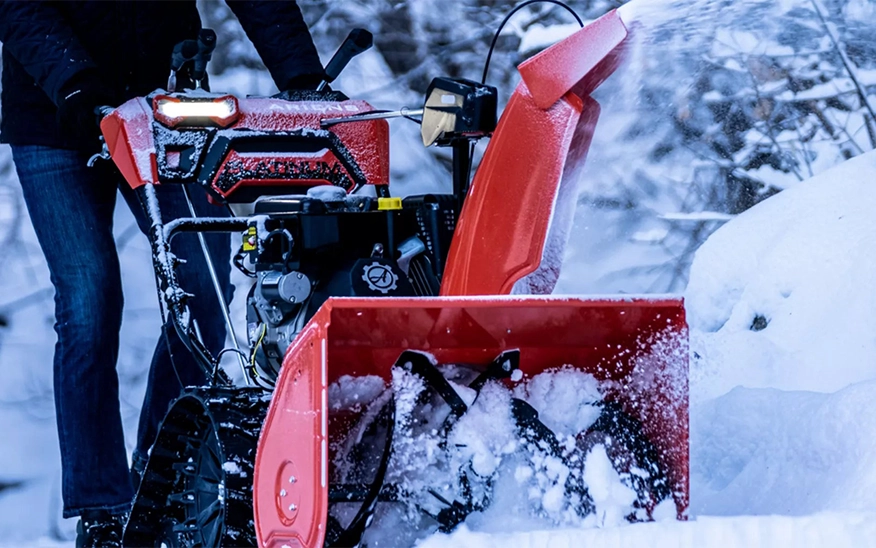
Cold days can be rough on snow blowers. A machine that worked fine last week may suddenly refuse to start, stall, or throw snow weakly. Most of these problems come from cold fuel, thick oil, wet parts, or simple wear that shows up when temperatures drop. The good news is you can fix many issues at home with basic tools and careful steps. This blog shares five cold-weather snow blower fixes you can do before the next storm. Each fix is simple, clear, and safe for most homeowners. Take a little time now, and you’ll save a lot of stress when snow piles up and you need your machine to work.
Check Fuel Quality And Stop Snow Blower Stalling
Cold weather makes fuel problems show up fast. Gas can go bad over time, and water can sneak into the tank from condensation. When water mixes with gas, the engine may sputter, surge, or not start at all. Old fuel can also leave sticky stuff that clogs small passages.
Start by smelling the gas. Bad fuel often smells sour or “varnish-like.” If the fuel is old (more than 30 days without stabilizer), drain it into an approved container. Refill with fresh fuel.
Quick fuel steps before a storm:
- Use fresh gas from a clean can
- Add fuel stabilizer if the fuel may sit
- Keep the fuel cap tight to reduce moisture
- Store fuel cans indoors but away from heat sources
Helpful tip: If you suspect water in the fuel, drain the tank and the carburetor bowl (if your model has one). Some machines have a small drain screw at the bottom of the carburetor bowl. If you’re unsure, check your manual. Fresh fuel is one of the easiest fixes that prevents many no-start issues.
Swap Spark Plug And Test Strong Spark
A weak spark can make starting hard in cold air. The spark plug may be worn, dirty, or coated with carbon. In winter, the engine needs a strong spark to light the fuel mix. A tired plug may still work on a warm day, but fail when it’s freezing.
Remove the spark plug using a spark plug socket. Look at the tip:
- Dry and light tan: usually normal
- Black and sooty: running too rich or plug is old
- Wet with gas: the engine may be flooded, or the spark may be weak
If the plug is dirty, you can clean it with a wire brush, but replacing it is often better and not costly. Make sure the new plug matches your model. Set the gap if needed (many plugs come pre-gapped, but it’s smart to check).
Simple spark test: Reconnect the plug wire, hold the plug threads against bare metal on the engine (keep your hands away from the tip), and pull the starter. You should see a bright blue spark. No spark or a dull yellow spark may point to a bad plug, bad wire, or ignition coil issue. Replacing the plug first is the quickest step.
Use Winter Oil To Guard Snow Blower Engine
Oil gets thicker in cold weather. Thick oil makes the engine harder to crank and slows oil flow at start-up. This can cause rough starts and extra wear. Many snow blowers run best with winter-grade oil, such as 5W-30, but always follow what your manual says.
If your machine has been using heavier oil, swap it before the next storm. Warm the engine for a minute or two if it will run, then shut it off and drain the oil. Refill to the correct level.
Why oil choice matters in the cold:
- Thinner winter oil lets the engine turn more easily
- Faster oil flow helps protect moving parts
- Better starts mean less strain on the starter system
While you’re there, look for oil leaks around the drain plug, valve cover, or fill tube. Even small leaks can lower the oil level over time.
Extra cold-weather help: Keep the machine in a shed or garage if possible. Even a few degrees warmer can make starting much easier. If storage is outside, use a cover that sheds snow and keeps moisture off controls and the engine area.
Clean Carburetor Jet To Restore Smooth Power
The carburetor mixes air and fuel. In cold weather, a small clog can stop the engine from getting the right mix. The most common trouble spot is the main jet or small passages inside the carburetor. If the snow blower starts, then dies, or only runs with the choke on, the carburetor may be partly blocked.
First, check the easy stuff:
- Make sure the fuel shutoff valve is open (if your model has one)
- Check the air filter (if equipped) and replace it if dirty
- Inspect the choke linkages for smooth movement
If the problem still points to the carburetor, use carburetor cleaner spray. Some models allow you to remove a bowl and clean the jet without taking off the whole carburetor. Others may need more disassembly.
Basic cleaning plan (common on many models):
- Turn off the fuel valve or pinch the fuel line
- Remove the carb bowl carefully
- Spray cleaner into the jet and passages
- Use a soft nylon brush—avoid poking metal wire into jets
- Reassemble with the gasket seated correctly
After cleaning, run the engine for a few minutes. If it still surges or dies, the carb may need a deeper cleaning or a rebuild kit. Fixing this before a storm can save you from a no-start morning when snow is falling fast.
Inspect Shear Pins And Belts For Full Throwing Power
Sometimes the engine runs fine, but the snow blower won’t throw snow well. In heavy or icy snow, shear pins can break to protect the auger. Belts can slip, stretch, or crack in cold weather. These parts decide how strong your machine feels when it hits deep snow.
Start with the shear pins (also called shear bolts). These connect the auger to the shaft. If one breaks, the auger on that side may stop turning even though the shaft spins.
Signs of shear pin trouble:
- One auger spins while the other doesn’t
- Rattling or uneven clearing
- Weak snow throwing even at full throttle
Replace only with the correct shear pins for your model. Regular bolts are unsafe because they can damage the gearbox.
Check Snow Blower Belts For Wear And Damage
- Cracks or frayed edges
- Glazing (shiny surface) that can slip
- Loose tension that reduces power
You can often adjust belt tension using the cable adjuster on the handle or an adjustment point near the idler pulley. If belts are worn, replace them now, not mid-storm.
Quick performance check: With the machine off, look inside the chute and housing for packed snow or ice. Clear it with a plastic tool, not your hands. A blocked chute can make it seem like the blower is weak when it’s just jammed.
Conclusion: Stay Ready And Know Who To Call
A snow blower that starts fast and throws strongly can make winter days far easier. Fresh fuel, a strong spark plug, winter oil, a clean carburetor, and solid belts or shear pins cover most cold-weather failures. Do these checks before the next storm, not during it. If the machine still won’t run right, help is close. Fireside Small Engine Repair can handle tough issues and save you time by offering mobile outdoor power equipment services, so you can get repairs without hauling your machine through snow.small engines.